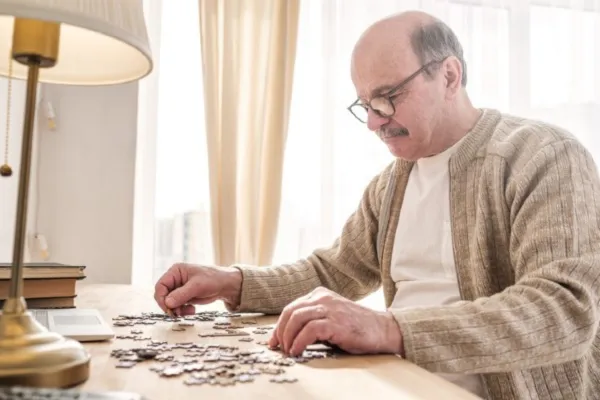
🌿 Calm in Every Piece: How Puzzling Reduces Stress and Brings Peace to Seniors’ Lives
“When I’m working on a puzzle, my worries fade away. It’s my time to just be.”
Stress can show up at any stage of life, but as we grow older, it often takes on new shapes. You might feel stressed about health changes, financial uncertainties, loss of loved ones, or simply the constant background hum of worry.
Even positive life transitions, like retiring or moving to a new home, can bring unexpected tension. Many seniors describe this experience as feeling unmoored:
“I used to know exactly what each day would bring. Now it feels harder to relax.”
“I can’t shut my mind off at night.”
“Sometimes I just feel restless, even when everything is okay.”
While you can’t always control what happens around you, you can choose small, caring practices that help you feel centered, resilient, and calm.
One of the gentlest, most effective ways to create those moments of peace is puzzling.
💡 The Impact of Stress on Seniors
Stress doesn’t just affect how you feel emotionally—it can have real effects on your body and mind over time.
According to the National Institute on Aging, chronic stress in seniors is linked to:
✅ Higher blood pressure and increased risk of heart disease
✅ Weakened immune function, making it harder to recover from illness
✅ Disrupted sleep cycles, which can affect mood and memory
✅ Greater risk of anxiety and depression
That’s why learning to reduce stress isn’t a luxury. It’s essential self-care that helps you stay strong and healthy.
The good news? Even short periods of relaxation and mindfulness can lower stress hormones and help your body reset.
🧩 Why Puzzling Is So Effective for Stress Relief
Puzzling is more than just a pleasant pastime—it’s a powerful tool for creating a calmer mind and body.
Here’s why it works so well:
✅ Encourages Focus
When you look for that one piece, your mind gently shifts away from worries and into the present moment.
✅ Brings a Sense of Control
In a world that can feel unpredictable, you get to decide how and when you puzzle.
✅ Inspires Mindfulness
Being present with the details—the colors, the edges, the click when a piece fits—helps quiet racing thoughts.
✅ Provides Gentle Stimulation
Your mind stays active, but in a way that feels comforting instead of overwhelming.
✅ Creates Visible Progress
Each piece you place is a small success, a reminder that you’re moving forward.
❤️ Emotional Benefits of Calm
When you regularly create moments of peace through puzzling, you may notice:
✅ Less tension in your body—your shoulders relax, your breath slows
✅ More restful sleep—your mind isn’t carrying as much stress into the night
✅ Greater patience with yourself and others—you feel less reactive
✅ More energy for the things you enjoy—because your nervous system isn’t constantly on alert
Piece by piece, you create a sense of steadiness that carries into other parts of your day.
🧘♀️ How to Use Puzzling for Stress Relief
Here’s how to design a puzzle practice that helps you feel calmer and more balanced:
1. Pick Soothing Images
Choose puzzles that feel peaceful and comforting:
✅ Nature scenes—like gentle waves, green forests, or blooming gardens
✅ Soft color palettes—pastels, neutrals, or watercolors
✅ Nostalgic or familiar images—places you’ve visited, artwork you love
The right image sets the tone for relaxation.
2. Set Up a Relaxing Space
Create an environment that feels safe and calming:
✅ A comfortable chair with good back support and maybe a cushion
✅ Soft lighting—lamps with warm bulbs instead of bright overhead lights
✅ Calming background sounds—like instrumental music or nature recordings
✅ A cup of herbal tea or a cozy blanket
This space becomes your sanctuary.
3. Start With Intention
Before you begin, take a few slow breaths. Reflect on why you’re here:
🌱 “This is my time to let go.”
🌱 “I will focus only on what’s in front of me.”
🌱 “I am safe and calm.”
4. Work Without Rushing
Let yourself slow down:
✅ Spend as much or as little time as you like—there’s no deadline
✅ Pause to notice the details—colors, shapes, how the pieces feel in your hand
✅ If your mind wanders, gently guide it back to the puzzle
Remember, the process matters more than the outcome.
5. End With Gratitude
When you finish, take a moment to reflect:
✅ What did this session feel like?
✅ How does your body feel now?
✅ What are you grateful for in this moment?
Even a few minutes of reflection can deepen your sense of calm.
🌿 The Science of Relaxation and Puzzling
According to the Journal of Behavioral Medicine, engaging in focused, calming activities like puzzling:
✅ Lowers cortisol, the hormone responsible for chronic stress
✅ Slows your heart rate, helping your body transition into relaxation
✅ Reduces muscle tension, which is often held unconsciously
✅ Activates the parasympathetic nervous system, sometimes called the “rest and digest” response
Over time, these effects add up to better emotional resilience and a stronger sense of well-being.
💬 Real Stories of Peace and Clarity
“Puzzling helps me clear my mind. It’s like a reset button for my day.” —Margaret, 70
“I used to feel anxious in the evenings. Now I sit down with a puzzle and feel calm.” —George, 72
“It’s my daily therapy. Just me, my puzzle, and a cup of tea.” —Ruth, 74
These stories remind us that sometimes the simplest rituals bring the most profound peace.
🧺 How Puzzle Prep Pro Makes Relaxation Effortless
A cluttered space can increase stress without you realizing it. Puzzle Prep Pro helps you:
✅ Sort pieces quickly so you can get started without frustration
✅ Store puzzles neatly between sessions, keeping your space clear
✅ Prevent lost or mixed-up pieces that disrupt your focus
✅ Start each session ready to relax
When your space feels organized, your mind follows.
🕰️ A Sample Weekly Stress-Relief Routine
Try this gentle plan to build a habit of calm:
Monday: Choose a soothing puzzle and set up your space.
Tuesday: Work on the edges while listening to calming music.
Wednesday: Focus on one section for 15–20 minutes.
Thursday: Reflect on how your body feels during and after puzzling.
Friday: Celebrate completing part of the image—maybe with a small treat.
Saturday: Invite a friend or loved one to puzzle with you.
Sunday: Rest and admire your progress, no matter how much you completed.
Even 10–15 minutes can make a big difference.
🌟 Tips for Creating Calm
✅ Keep expectations light.
There’s no “right” way to puzzle.
✅ Take breaks as needed.
Stand up, stretch, or step outside for fresh air.
✅ Be patient.
Relaxation is a practice that grows over time.
✅ Honor your progress.
Every piece you place is an act of self-care.
🎯 Beyond Puzzling: Other Stress-Relief Practices
Puzzling pairs beautifully with:
✅ Breathing exercises or meditation—just a few minutes can shift your mood
✅ Gentle stretching or yoga—release tension in your body
✅ Gratitude journaling—write down three things you’re thankful for
✅ Enjoying warm herbal tea—chamomile or peppermint can be especially calming
These simple habits help you create a life that feels more balanced and peaceful.
🧠 The Ripple Effect of Daily Calm
When you practice calming rituals like puzzling, you’ll likely notice:
✅ Better sleep and more energy
✅ Less reactivity in stressful situations
✅ A clearer mind for decision-making
✅ More appreciation for small joys in everyday life
Piece by piece, you’re building a foundation of ease and contentment.
📥 Ready to Build Your Calm Space?
Puzzle Prep Pro helps you create an organized, soothing environment where you can unwind anytime.
👉 Join the Puzzle Prep Pro waitlist here
Sign up today for early access, exclusive offers, and free guides to help you begin.
Peace doesn’t have to be complicated. Sometimes, it’s as simple as focusing on the piece in your hand, taking a deep breath, and allowing yourself to be fully present.
With puzzling, you can build a daily habit of calm and create a life that feels more balanced, more centered, and more fulfilling.
Take a breath. Your next moment of calm is waiting.

