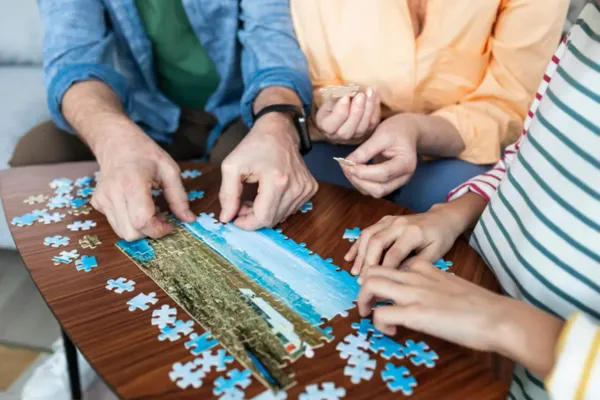
🌸 Embracing the Slow: How Puzzling Helps Seniors Nurture Patience and Inner Peace
“Puzzling has taught me that it’s okay to take my time. Every piece finds its place when it’s ready.”
In a world that often feels rushed, the art of slowing down can feel radical—and deeply healing. For many of us, life used to be measured in appointments, deadlines, and obligations. You might remember the years of juggling work, raising a family, or caring for others, always feeling like there was never enough time.
Now, life’s rhythms naturally change. You may no longer be hurrying to catch the morning bus or prepare dinner for a houseful of people. Yet, many seniors still feel pressured to “keep up”—even when your heart and body are asking for gentleness.
Learning to embrace a slower pace is a gift you can give yourself. It’s not about doing less—it’s about being fully present in what you choose to do. One of the simplest, most rewarding ways to practice patience and presence? Puzzling.
💡 Why Patience Matters
Patience isn’t just about waiting—it’s about how you meet each moment, especially when things don’t go exactly as planned. It’s the soft voice inside that says, “It’s okay. I am doing my best.”
According to the National Institute on Aging, practicing patience regularly can:
✅ Lower stress and anxiety
✅ Improve relationships—with yourself and others
✅ Support heart health
✅ Increase overall happiness and satisfaction
When you practice patience, you invite more ease into your days. You allow yourself to meet life exactly as it is—without judgment or haste.
🧩 Why Puzzling Is a Natural Teacher of Patience
Puzzling creates the perfect environment to slow down and be present:
✅ It requires time.
You can’t rush finding where each piece belongs. Sometimes, you have to set it aside and come back later with fresh eyes.
✅ It rewards presence.
The more you focus, the more you see—subtle shifts in color, tiny patterns you hadn’t noticed before.
✅ It offers gentle challenge.
You will make mistakes. You might put a piece in the wrong spot. And that’s okay—puzzling shows you that errors are simply part of the process, not something to feel ashamed of.
✅ It creates space for reflection.
There’s no need to fill the quiet with noise. The stillness becomes an opportunity to breathe, appreciate, and simply be.
❤️ Emotional Benefits of Slowing Down
When you let yourself move at a gentler pace, you may notice:
✅ Less overwhelm.
Life feels more manageable when you take it one moment, one piece at a time.
✅ More self-compassion.
You stop measuring your worth by speed or productivity.
✅ Deeper enjoyment.
Each step—every piece you place—becomes something to savor.
✅ Greater acceptance.
You learn to trust that everything will come together in its own perfect timing.
🧘♀️ Creating a Patience-Focused Puzzle Routine
Here’s how to build a puzzling practice that helps you slow down and nurture a sense of calm:
1. Pick Gentle Images
Choose puzzles that feel peaceful and comforting:
✅ Soothing landscapes—meadows, lakes, sunsets
✅ Soft, calming colors like pastels or earth tones
✅ Familiar images that spark fond memories—like vintage scenes or places you’ve visited
2. Set Up a Calm Space
Create an environment that encourages slowing down:
✅ A comfortable chair with good support
✅ Soft lighting—perhaps a lamp instead of bright overhead lights
✅ A tidy table, free of clutter and distractions
✅ Gentle background music or simply the quiet of your home
Make this space your sanctuary—a place you return to when you want to feel centered.
3. Start With Intention
Before you begin, pause and take a few deep breaths. Reflect on why you’re here:
“I will be patient with myself.”
“I am here to enjoy this moment.”
“I will go as slowly as I need.”
This simple ritual can set the tone for your entire session.
4. Release the Need to Hurry
Allow yourself to:
✅ Spend as long as you like on one small section
✅ Take breaks without guilt—stretch, sip some tea, look out the window
✅ Let your mind wander gently and return to the puzzle when you’re ready
Remember: you’re not working against a clock. You’re simply enjoying the process.
5. Celebrate Small Steps
When you place a piece:
✅ Take a slow breath and smile
✅ Appreciate the progress you’ve made
✅ Remind yourself that every small action matters
🌿 The Science of Mindful Slowing Down
According to the Journal of Positive Psychology, embracing slower, more mindful activities like puzzling has measurable benefits:
✅ Lower blood pressure and heart rate
✅ Improved sleep
✅ Increased feelings of gratitude and joy
✅ Reduced symptoms of depression and anxiety
Puzzling offers a simple way to experience these benefits every day, without needing any special tools or skills.
💬 Real Stories of Embracing the Slow
“I used to feel frustrated when things took time. Now, puzzling has taught me to trust the process.” – Helen, 73
“It’s helped me appreciate that not everything has to happen quickly.” – George, 70
“Every puzzle feels like a little meditation.” – Margaret, 72
🧺 How Puzzle Prep Pro Makes Patience Easier
A well-organized space supports your ability to slow down and relax. Puzzle Prep Pro helps you:
✅ Sort pieces without frustration
✅ Store your puzzle safely between sessions
✅ Prevent lost pieces that interrupt your flow
✅ Start each session with everything ready to go
When your tools are in place, it’s easier to focus on what matters—enjoying each moment.
🕰️ A Sample Weekly Patience Routine
Try this gentle plan:
Monday: Choose a calming puzzle and set your intention.
Tuesday: Work for 15–20 minutes without expectations.
Wednesday: Focus on a single section slowly.
Thursday: Reflect on how you feel—emotionally and physically.
Friday: Celebrate placing even a few pieces.
Saturday: Invite a loved one to join you for quiet companionship.
Sunday: Rest and admire your progress.
🌟 Tips for Embracing a Slower Pace
✅ Be gentle with yourself.
There is no need to rush—progress will come.
✅ Stay present.
Notice details, textures, and colors.
✅ Allow imperfection.
Mistakes are part of learning.
✅ Honor your journey.
Every piece placed is a victory worth celebrating.
🎯 Beyond Puzzling: Other Ways to Slow Down
Puzzling pairs beautifully with other calming activities:
✅ Daily gratitude journaling—write down three things you appreciate
✅ Mindful breathing exercises—inhale slowly, exhale fully
✅ Short walks in nature—notice the sights and sounds around you
✅ Gentle stretching or yoga—move your body with care
Each of these habits supports your intention to embrace a slower, more peaceful pace.
🧠 The Ripple Effect of Patience
When you practice slowing down, you’ll likely notice:
✅ More ease in daily tasks
✅ Greater resilience during challenges
✅ A deeper appreciation for small joys
✅ A sense of peace that extends beyond your puzzle table
Piece by piece, you’re creating a life that feels calm, steady, and fulfilling.
📥 Ready to Begin Your Journey of Patience?
Puzzle Prep Pro helps you create an organized, inviting space where slowing down feels natural.
👉 Join the Puzzle Prep Pro waitlist here
Sign up today for early access, exclusive offers, and free guides to help you get started.
In a world that often asks you to hurry, giving yourself permission to slow down is a profound act of self-care. With puzzling, you can practice patience, savor each moment, and remember that every season of life has its own perfect pace. Every piece you place is a quiet celebration of presence and peace.
Slow down. Your next moment of calm is waiting.

